Action Star's Bold Museum Walk Sparks Debate on Cinematic Legends
This article explores a recent social media post that It ignited a spirited debate among both devoted fans and discerning critics. It centers on a moment captured on Instagram, where a well-known action star was seen alongside the acclaimed filmmaker known for his groundbreaking saga creations.
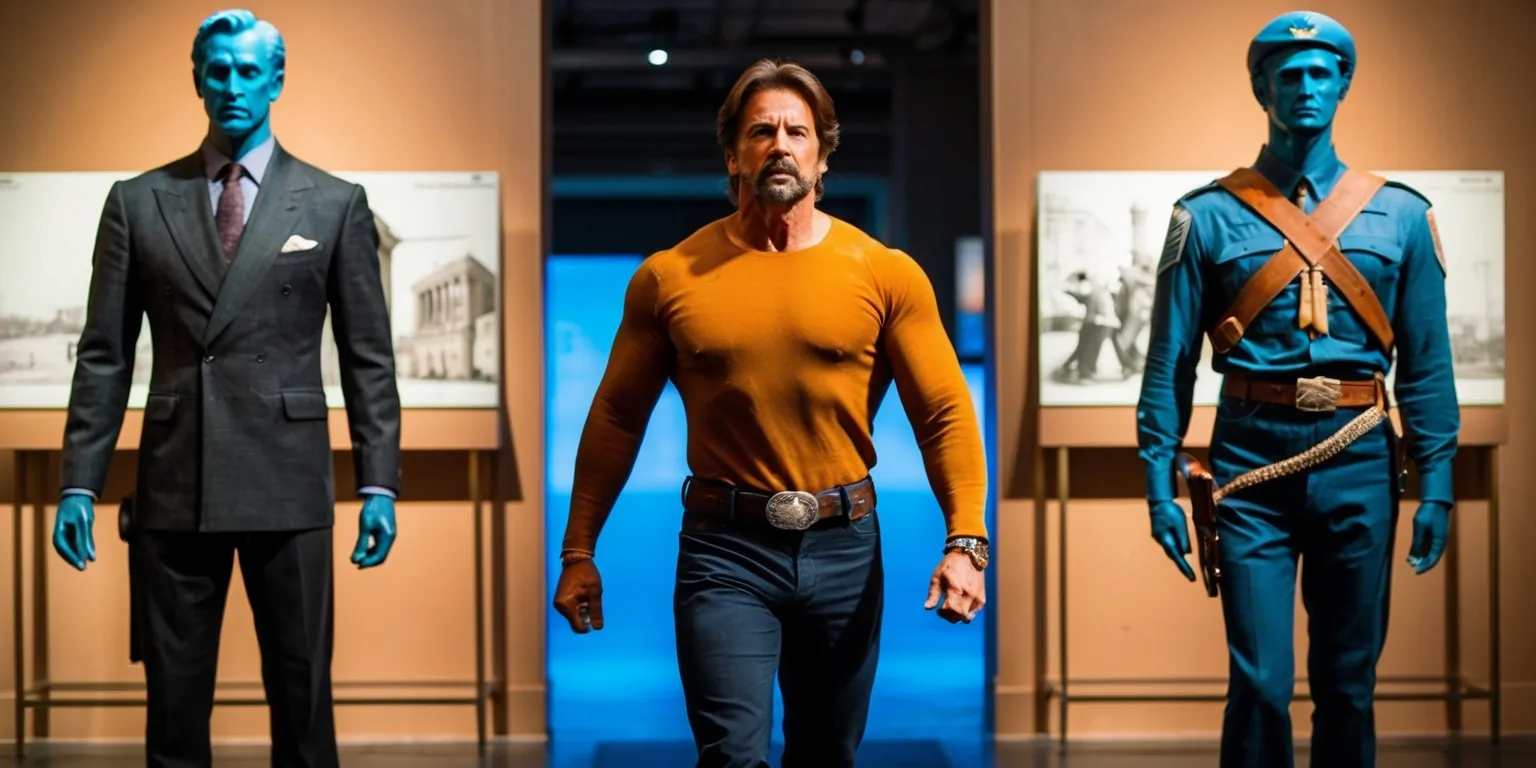
The actor shared an image while walking through a newly opened museum in Los Angeles dedicated to narrative art. In his message, he celebrated the visionary nature of those who craft modern legends, suggesting that institutions like this museum honor the creative spirit behind epic tales. His words invited comparisons between his own contributions to high-octane cinema and the legendary filmmaker’s iconic storytelling legacy.
Online community members promptly shared their views on the post. Many found the comparison between the two cineastes bold, while others questioned if it was a genuine statement of parity or a playful self-tribute. Reactions ranged widely, with some posts humorously noting the perceived overconfidence of the actor, and others debating the merits of each creator's legacy.
- An online comment highlighted the improbability of an immediate sense of equality with the respected filmmaker.
- Another contribution compared the building of expansive cinematic universes, remarking on the unique narratives each has established.
- A few users expressed skepticism regarding the actor’s characterization of his own work alongside the illustrious history of the museum’s founder.
Reports also note that the actor is known for a robust sense of self-assurance, as evidenced by several past moments that illuminated his confidence on and off the screen. Despite previous controversies with fellow cast members, he has maintained a close friendship with some of his longtime colleagues. For instance, his rapport with a veteran star led to a notable return to a beloved film franchise.
Looking ahead, the actor is set to reprise a much-loved character in an upcoming installment of his hit series, with production reportedly scheduled to begin soon. In the interim, enthusiasts of the franchise can visit a new attraction at a popular studio park designed to keep the legacy alive until the next major release.
Do you believe the actor intended to place himself in the same creative league as the legendary filmmaker with his recent post? Share your thoughts in the comments below.