
Definitive Revival: Reintroducing a Classic 1980s Comic in Collector’s Hardcover Edition
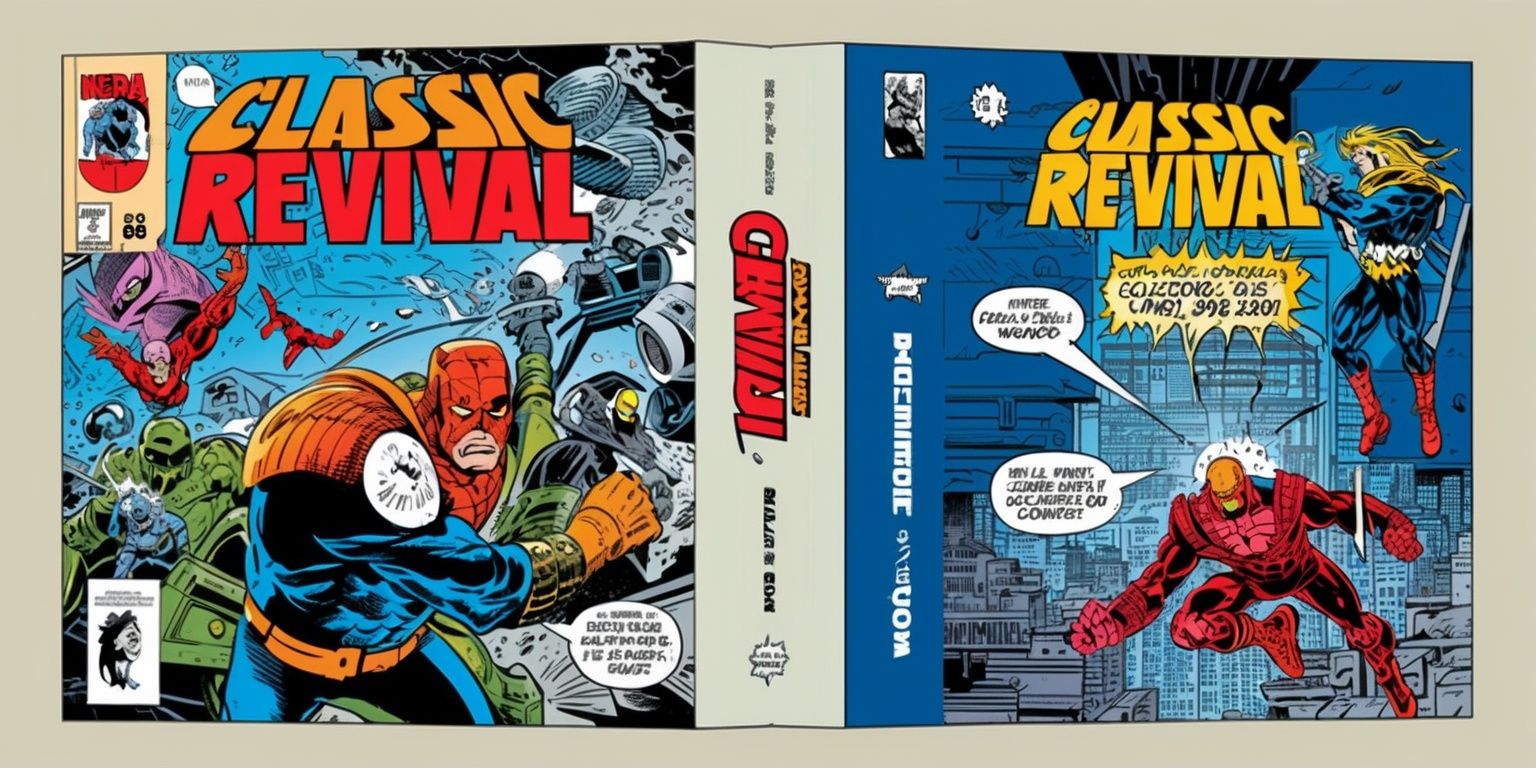
This release from a major comics publisher has generated substantial excitement, as it merges classic storytelling with a refreshed presentation. Fans have reason to be thrilled about a new hardcover collection that promises to capture the essence of an iconic series from the past.
The full list of December solicitations has been unveiled, featuring a host of promising projects. Among them is the conclusion of a popular series by two prominent writers. However, the standout announcement centers around a new hardcover collection celebrating a groundbreaking run by a celebrated creator, presenting a definitive edition for longtime enthusiasts.
This special two-volume slipcase set is designed as the ultimate collector’s item. It will feature every installment from the notable run with a faithfully restored version of the original artwork, complete with remastered coloring and period-appropriate paper quality. The set aims to offer a reading experience as authentic as possible to the way the series originally appeared.
For those unfamiliar with previous editions, there have been two collected formats available. One version comes in several trade paperbacks, while another arrives as a pair of deluxe hardcovers. Both these editions showcase modernized coloring that has been met with mixed reactions by fans, who feel that changes in tone have altered the original impact of the storytelling.
A discussion thread on a popular online forum provides a detailed comparison between the original releases, the trade paperback versions, and the deluxe hardcovers. Fans can explore side-by-side images that highlight significant differences in presentation, making it clear why the upcoming omnibus is highly anticipated.
An official summary from the publisher outlines the vision behind this collection. The goal is to Re-establish the genuine character and ambiance of the series as it first appeared in the 1980s, emphasizing the artwork and design elements that defined its era.
The collection is slated for release on July 6, 2027, offering dedicated collectors the opportunity to secure a piece of comics history. Priced at $175, this edition is expected to become a cherished addition to any fan’s library, while alternative versions with modern coloring remain available for those with different preferences.
This announcement isn’t the first major treat for long-time enthusiasts. Recently, the publisher also revealed plans to release a controversial, previously canceled storyline featuring a surprising encounter that generated much discussion among fans.
The overall excitement continues to build as the community looks forward to revisiting a seminal work in its most authentic form ever presented. New and returning readers alike are eager to experience the reimagined presentation while comparing it to the versions they remember from decades past.