Mask Trading in Ocarina of Time: A Side Quest of Sales, Rewards, and Hyrule’s Hidden Faces
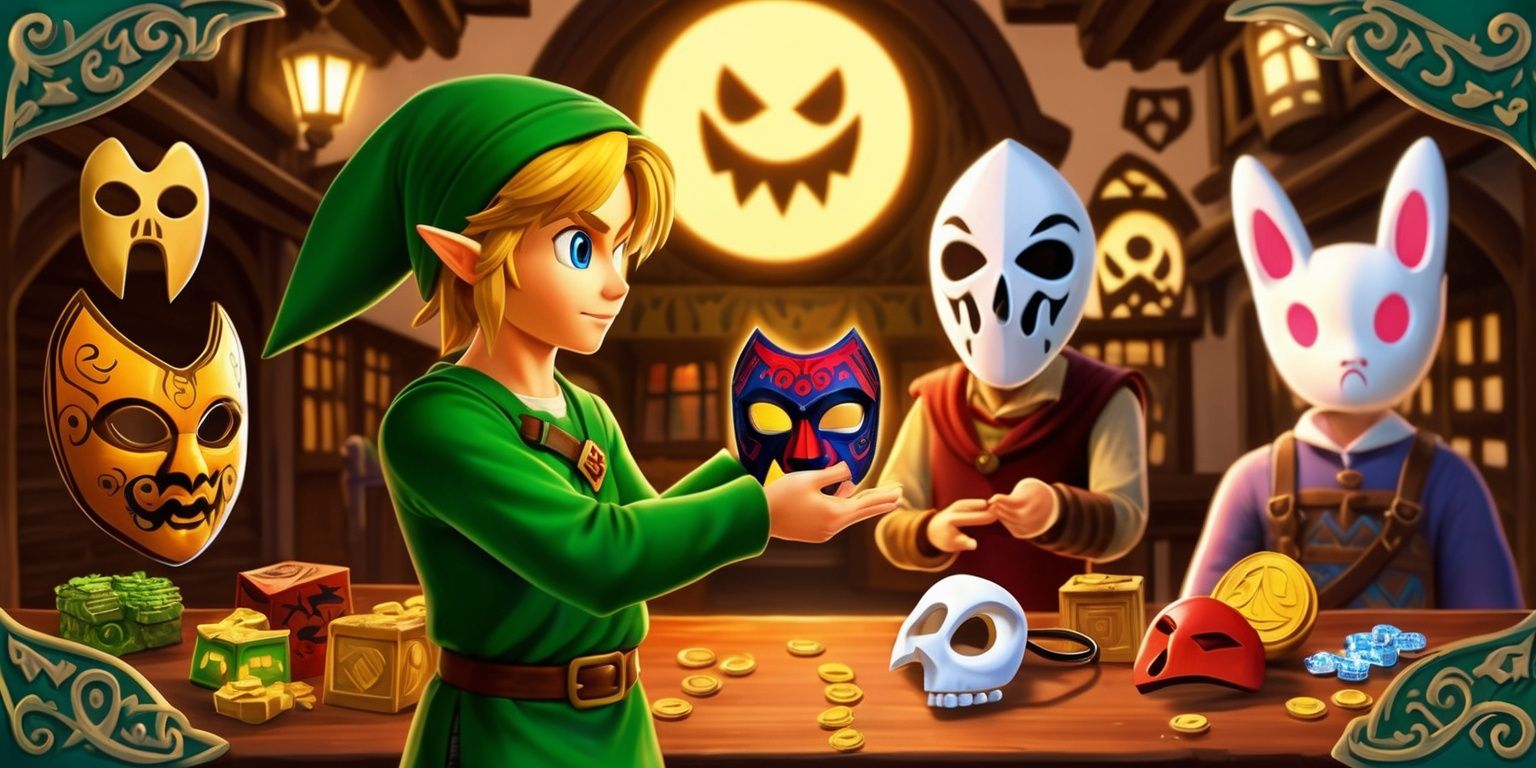
In The Legend of Zelda: Ocarina of Time, the mask trading task gives Link a charming detour from the main adventure and turns a simple delivery concept into one of the game’s most memorable errands. What begins as a brief chat in the Happy Mask Shop becomes a chain of trips across Hyrule, each one tied to a different character, place, and small reward. The side quest blends exploration, timing, and a little personality into a system that feels playful rather than routine. By moving masks from the shopkeeper to the right buyer, Link gains access to more face coverings, extra Rupees, and a broader sense of how the world reacts to him. The task also reflects the game’s design philosophy, where even optional content often connects to movement, humor, and discovery.
The shop hidden in plain sight
The journey starts in Hyrule Castle Town at the Happy Mask Shop, a location that looks ordinary at first but opens the door to a small trading network. Speaking with the shopkeeper reveals the rules: borrow a mask, find a buyer, then return with payment. This setup is easy to understand, yet it carries enough structure to keep the player engaged. The shop feels like a specialized hub inside a larger world, where each mask has its own purpose and each sale depends on observation rather than force. Because the task is tied to a physical storefront, it also fits neatly into the game’s sense of place. The player is not just collecting items, but acting as a messenger moving between communities and personalities.
How the mask system changes gameplay
Mask trading adds a light economic layer to the adventure. Each item has a “going rate,” and selling it somewhere else may bring a profit, a loss, or no change at all. That simple mechanic gives the side quest a unique rhythm. Instead of only collecting treasure in dungeons, Link is now learning how value shifts depending on who wants what. The system also breeds curiosity, because the player has to think about likely customers and their environments. A guard, a child, a graveyard wanderer, and a fast-moving runner all respond differently to the same object. This makes the side quest feel like a small social experiment built into the game world, with rewards that are both functional and amusing.
The Keaton Mask and the first easy trade
The initial link in the sequence is the Keaton Mask, which can be checked out for 10 Rupees. Its path to success is straightforward and gives the quest a friendly opening. In Kakariko Village, a guard near the north exit serves as the buyer. Wearing the mask while speaking to him produces an immediate reaction, and he gladly pays 15 Rupees. That outcome introduces the idea that the right mask can appeal to a specific person in a very direct way. The sale also teaches the player that the side quest rewards attention to character behavior, not only map knowledge. Afterward, the shopkeeper expects the original cost back, keeping the cycle going and reinforcing the idea that this is as much about circulation as collection.
Moving through Hyrule with purpose
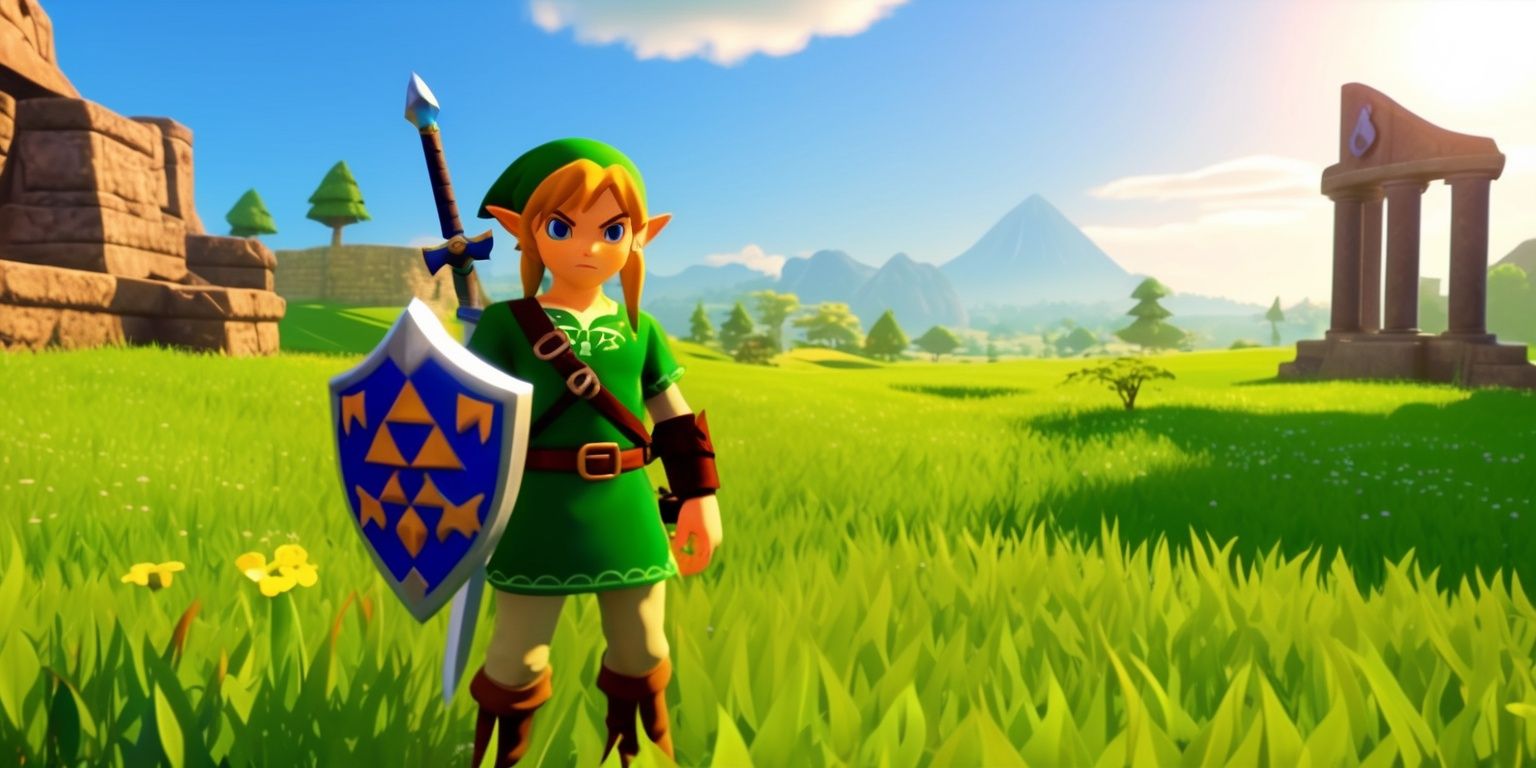
What makes the mask task enjoyable is the way it turns ordinary travel into a guided tour. Link is already moving across Hyrule for dungeons, side errands, and story beats, but the mask quest gives his journeys a specific commercial aim. Each delivery nudges the player toward a place that may already be familiar, yet the reason for visiting it feels fresh. Kakariko Village, the Lost Woods, the graveyard, and Hyrule Field all become part of a larger route. This design creates a sense of continuity, since the player is never very far from a meaningful interaction. Even when the profit is small, the act of choosing where to go and who to approach adds structure to the exploration.
The Skull Mask and its woodland exchange
The second mask, the Skull Mask, raises the price to 20 Rupees and shifts the mood into a more curious space. The buyer is Skull Kid, found in the Lost Woods through the left tree trunk path. The encounter has a distinct atmosphere, because the woodland area already feels secretive and a little strange. Wearing the mask and standing opposite Skull Kid prompts his interest, and he asks for the item right away. The trade results in only 10 Rupees, which means the player takes a loss on the exchange. That detail gives the quest a bit of unpredictability. Not every customer values the same item in the same way, and that unevenness adds personality to the system rather than making it feel formulaic.
Why the Skull Mask matters beyond the sale
Although the Skull Mask does not generate profit, it still contributes to the feeling that the side quest is tied to the world’s logic. Skull Kid is exactly the kind of unusual forest resident who might take interest in a mask of that style. The transaction feels believable within the playful rules of the game universe. This is important because the side quest relies less on strict efficiency and more on matching item identity to character identity. The player learns that value can be emotional or contextual, not only numerical. That lesson makes the later exchanges more interesting, since each mask must be considered for where and to whom it should be shown.
The Spooky Mask and a calmer audience
The third mask, the Spooky Mask, is priced at 30 Rupees and leads the player to Kakariko Graveyard during the day. There, a child walking among the gravestones becomes the buyer. The setup feels fitting without being overly dramatic, and the sale unfolds with a simple conversation. The child pays exactly 30 Rupees, so the deal neither gains nor loses money. That even exchange gives the quest a balanced moment after the previous loss. It also shows that not every trade is about clever profit; sometimes the goal is simply about finding the right individual. The graveyard setting, with its quiet movement and daytime calm, supports the eerie but friendly spirit of the mask.
Reading the environment for the next buyer
One of the most delightful parts of the mask quest is how it encourages the player to think about the environment as a clue. mask is far more than a simple accessory; it serves as a social object with a likely audience. The game rarely announces the answer in advance, but it often places the right character in a location that makes sense once you see it. The Lost Woods suits a playful woodland figure, the graveyard fits a child drawn to strange things, and the open field later becomes the home of a restless runner. This design encourages observation and memory, rewarding players who pay attention to who lives where and what kind of response a piece of clothing might trigger.
The Bunny Hood and its practical advantage
The final mask in the basic sequence is the Bunny Hood, which typically sells for of 50 Rupees. Before trying to sell it, there are two important points to keep in mind mind. First, the Bunny Hood has a gameplay benefit on its own, since it can prevent Stalchildren from appearing in Hyrule Field after dark. That makes it valuable even while it is still in the player’s possession. Second, the intended buyer does not become available until Lord Jabu-Jabu’s Belly has been completed. This requirement connects the side quest to broader progression, so the player cannot simply rush the entire chain early. The mask therefore serves both as a tool and as the final checkpoint in the sequence.
Finding the Running Man in open ground
The person purchasing the Bunny Hood is the Running Man, who moves around Hyrule Field and can be time-consuming to locate. His constant motion gives the trade a different flavor from the previous ones, because the challenge is now tracking rather than traveling to a fixed spot. Once found, he reacts enthusiastically to the Bunny Hood and pays a Gold Rupee, which is worth 200 Rupees. That large payout makes the sale feel especially worthwhile, even if the shopkeeper still only expects the original 50 Rupees afterward. The contrast between the buyer’s generous payment and the shop’s standard fee adds a pleasant reward curve to the task, making the last exchange feel like the most satisfying one in the sequence.
Returning to the shopkeeper after each exchange
Every completed sale leads back to the Happy Mask Shop, where the shopkeeper waits for the mask’s original price. This repeated return trip is a major part of the quest’s structure. It creates a cycle of borrowing, selling, and repaying that organizes the side activity into manageable steps. The routine may sound simple, but it provides the player with a distinct understanding of progress through the growing list of available masks. The shopkeeper’s role is also important because he acts as the quest’s anchor point. Without him, the mask route would just be a series of scattered encounters. With him, each interaction becomes part of a single connected system centered on trade, trust, and inventory expansion.
Unlocking the special reserve of masks
After all four masks have been sold and repaid, the Happy Mask Shopkeeper opens access to four additional masks from his special reserve. This is the main long-term reward of the side quest, and it changes the player’s relationship with the shop completely. The masks are no longer just borrowed items for delivery; they become available for use whenever desired. That design choice turns the quest into an investment. The player has spent time moving through the world, but the payoff is a broader set of tools and playful options. Since the masks have different effects and appearances, the reward is not limited to a single statistic or one-time cash gain. It expands the variety of ways Link can interact with the adventure.
Adult Link and expanded mask use
In the remake, Adult Link can equip these masks and make use of their bonuses, which adds another layer of utility to the side quest. In the original game, this access was more restricted, but the updated version broadens the value of the collected items. That change matters because it keeps the masks relevant beyond the child portion of the story. A player revisiting Hyrule as an older Link can still enjoy the benefits of the collection and see the quest as something with lasting practical value. The masks therefore become part of the build, not just a curiosity. Their usefulness stretches across different phases of play, making the quest feel more integrated with the broader adventure system.