
Game On: A Deep Dive into the Lightweight, Eco-Friendly Wireless Headset Experience
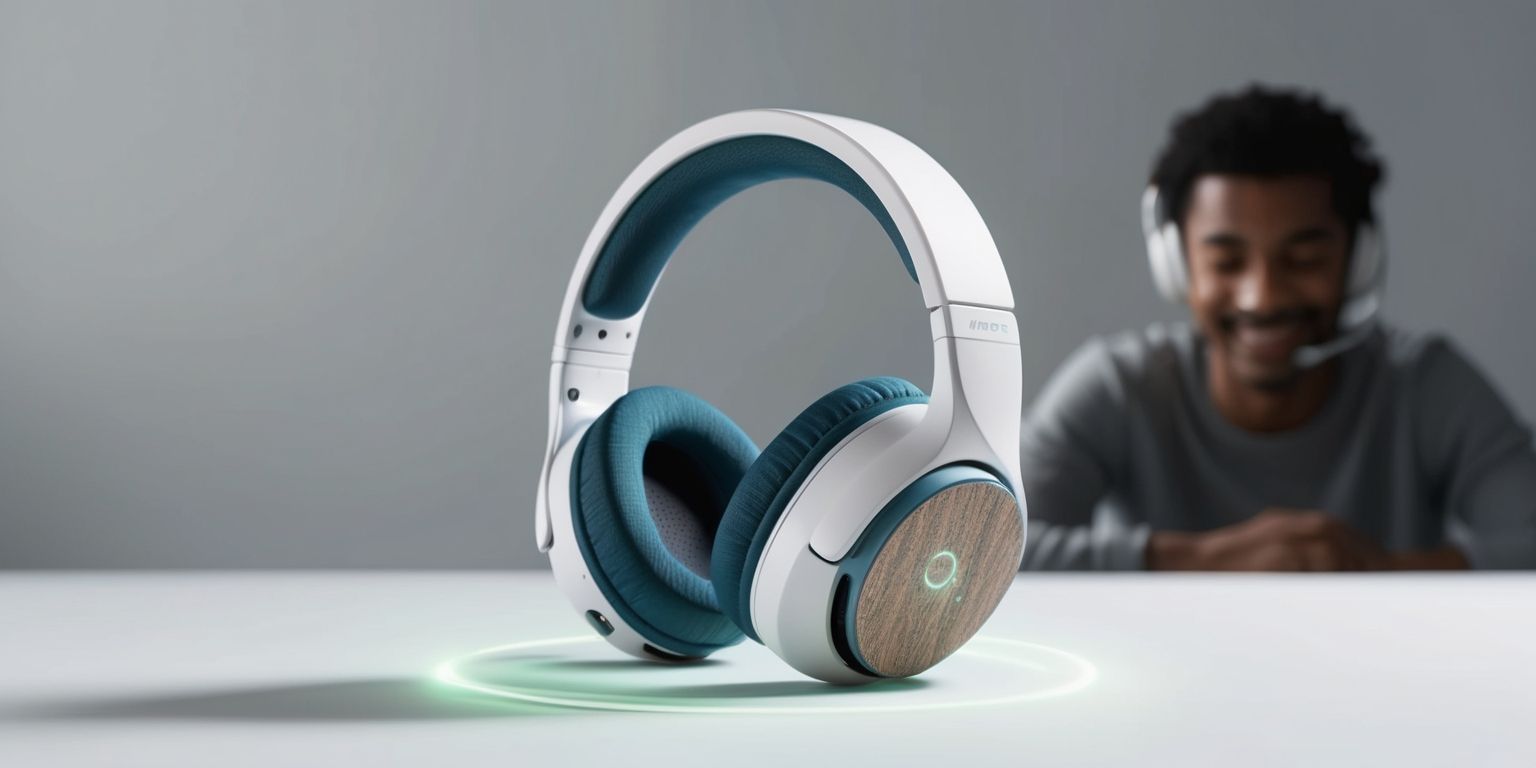
The following exploration provides an in‐depth look into a budget-friendly gaming headset that has quietly impressed users with its lightweight design and versatile performance. Drawing upon various testing experiences across multiple gaming platforms, the headset in question encapsulates a blend of essential audio features, ergonomic appeal, and innovative connectivity options. While it may not boast every advanced feature found in pricier competitors, the headset was designed with comfort and practicality in mind. The intricate combination of wireless functionality, a minimalist design ethos, and enduring battery life enables players to fully submerge themselves in the experience without distraction or discomfort.
Effortless Comfort in Design
This wireless headset highlights a core priority – ensuring that the user experiences supreme comfort during prolonged sessions. Its design philosophy centers on providing an exceptionally soft and snug fit while keeping the overall weight remarkably low. Crafted with padded earcups and a light grey breathable knit fabric, the headset adapts well to varying head shapes. The plastic chassis remains understated yet carefully engineered with rounded edges, ensuring that it neither digs into the skin nor causes discomfort during extended hours of gaming or media consumption. Despite its affordable price, the design does not sacrifice comfort, making it an enticing option for individuals who value relaxed wearability and functional design over flashy aesthetics.
Robust Connectivity and User Flexibility
At the heart of its appeal lie the multiple connectivity options available in the headset. Users can seamlessly switch between a high-speed 2.4GHz wireless connection and a Bluetooth link. A dedicated quick-switch button allows for easy toggling, ensuring that gamers and mobile users alike enjoy uninterrupted audio quality. This approach to connectivity enhances "the complete experience, positioning it as an ideal choice for both" PC gaming and portable play. Additionally, the incorporation of a USB-C charging port supports rapid recharging and greater convenience, while the extended battery life ensures that users remain powered throughout intensive gaming sessions or long hours of media streaming. The headset truly balances modern wireless demands with user-centric design.
Refined Audio Fundamentals
Focusing on its auditory capabilities, the headset utilizes 32 mm audio drivers engineered to deliver crisp sound with an emphasis on a warmer, enhanced bass response. These drivers are designed to accurately distribute sound across different frequencies, ensuring that lower frequencies remain robust and without distortion. Whether venturing into intense multiplayer firefights or exploring rich, atmospheric soundscapes in cinematic adventures, the headphones provide a clear and balanced output. While it might not push the envelope for extremely high volume levels, the audio performance emphasizes clarity and presence rather than overwhelming bass. This design choice supports a well-rounded experience, ensuring that audio details remain distinct even at moderate listening levels, enhancing immersion without compromising on sound integrity.
Immersive Gaming Soundscapes
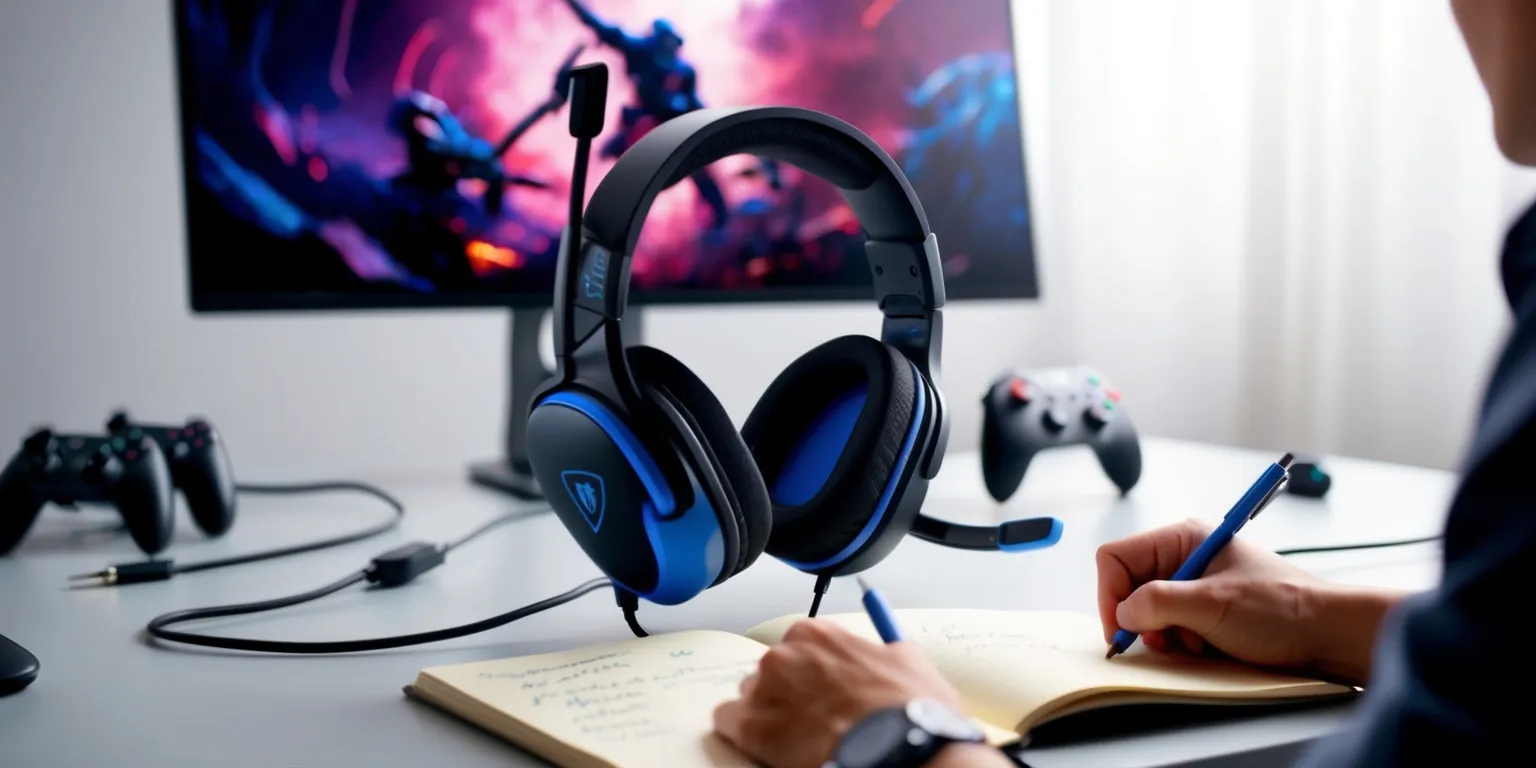
When it comes to gaming, detailed sound layering serves as an essential pillar in crafting a fully immersive experience environment. This headset demonstrates its potential by faithfully reproducing subtle in-game auditory cues, from the subtle rustle of footsteps to the intricate explosions during high-octane moments. In fast-paced titles and richly designed soundtracks alike, the preserved dynamics contribute to a satisfying listening experience. Gamers can distinctly hear dialogues, ambient background noises, and action sounds, which in turn help them make timely decisions in their virtual environment. Although the overall loudness may not always reach the intensity some users desire, the inclusion of an "enhanced bass" mode allows for adjustment and fine-tuning, providing a listening experience that suits a variety of game genres and auditory preferences without overwhelming the listener.
Streamlined Aesthetic Approach
The visual design of the headset follows a A sleek, pared-down design that meshes perfectly with contemporary trends gaming gear. The overall look is understated; it relies on subtle branding and modest coloring rather than bold logos or flashy lights. An example of this design philosophy is the option featuring a lilac variant that introduces a hint of color without compromising the otherwise sleek appearance. Despite the lack of extensive decorative elements such as RGB lighting, the headset's visual appeal is derived from its simplicity and the quality of its materials. It presents a calm, restrained profile that many users find pleasing, particularly those who prefer functionality over ostentation. This low-key aesthetic is ideal for gamers who value a professional, distraction-free look in their accessories.
Durable, Lightweight Construction
Constructed with an emphasis on a lightweight assembly, this headset stands out for its portability and It’s designed for simple operation, making it ideal for long gaming marathons. With a weight just above 200 grams, it… minimizes strain on the head while still providing a robust physical presence. The deliberate use of up to 46% post-recycled plastics not only contributes to a friendlier environmental footprint but also ensures that the structural integrity is maintained. Although the plastic components may sometimes feel a touch less premium when compared to more expensive alternatives, they offer sufficient durability for everyday use. The careful balancing of materials and thoughtful design elements secures a harmonious blend between lightness and strength that appeals to gaming enthusiasts who prioritize both comfort and enduring craftsmanship.
Versatility Across Diverse Platforms
One of the headset's notable strengths is its compatibility with a diverse range of gaming platforms. Designed to cater to everyday gamers, it effectively transitions between console use, PC gaming, and even portable handheld devices. For instance, users have reported favorable experiences while connecting the headset to both high-end gaming rigs and devices like the Switch and Steam Deck. This flexibility allows for a seamless shift in audio performance without compromising on sound quality or user comfort. Its multi-platform support is further boosted by its reliable wireless connections and straightforward pairing process. The headset, therefore, stands as a versatile accessory, enabling individuals to enjoy consistent performance regardless of the gaming or media consumption hardware they prefer, ensuring a widespread appeal for gamers with mixed system setups.
Eco-Conscious Material Choices
A closer look at the construction reveals an effort to incorporate sustainable materials in the design. The utilization of a significant proportion of post-recycled plastics reflects a commitment to environmental awareness in addition to cost-effectiveness. This thoughtful element of sustainability is not often seen in budget-friendly gaming peripherals, setting the headset apart from many competitors. While the choice of recycled materials necessitates a balance between durability and tactile quality, the product successfully navigates these challenges to provide an acceptable level of resilience. Users who are environmentally conscious will appreciate this design decision, as it contributes to reducing the overall ecological footprint without compromising the headset’s fundamental performance or structural soundness during intense gaming sessions or prolonged media streaming sessions.
Software Integration and Personalization
Beyond its hardware features, the headset integrates itself with specialized software designed to enhance user control and customization. Compatibility with a dedicated hub software allows enthusiasts to fine-tune audio settings such as equalization and bass boost features, catering to individual sound preferences. This integration not only enhances auditory performance but also grants users the flexibility to tailor their experience to suit different gaming environments and music genres. While the software interface is straightforward and functional, it opens up a range of customization possibilities that might typically be reserved for more expensive gaming peripherals. The inclusion of such digital personalization features demonstrates that even budget-level devices can incorporate advanced customization tools to elevate the overall user experience.
Mic Performance and Communication Clarity
The headset incorporates an innovative beamforming microphone that captures voice input by enveloping the speaker from several angles rather than relying on a traditional adjustable boom arm. This design aims to maximize sound pickup while maintaining the device's lightweight and minimalist profile. However, during practical use, some users may observe that the microphone delivers audio that feels slightly muffled and at times exhibits peaking tendencies. In multiplayer settings or voice chats, the clarity and consistency of speech can sometimes require users to adjust their speaking pace to ensure complete transmission. Despite these nuances, the microphone still performs adequately for casual dialogue and offers a streamlined setup free of additional hardware adjustments. Gamers focused on comfort and user-friendly design may find this approach appealing, even if it means accepting a trade-off in peak clarity.